Cheek implants
It adds projection and definition to the cheekbones or fills a hollow below them.
- Type
- Surgery
- Area
- Cheeks & midface
- Lasts
- Permanent but removable; the soft tissue over the implant continues to age
- Prices
- €5,528 published examples, Turkey
Before and after in the simulation
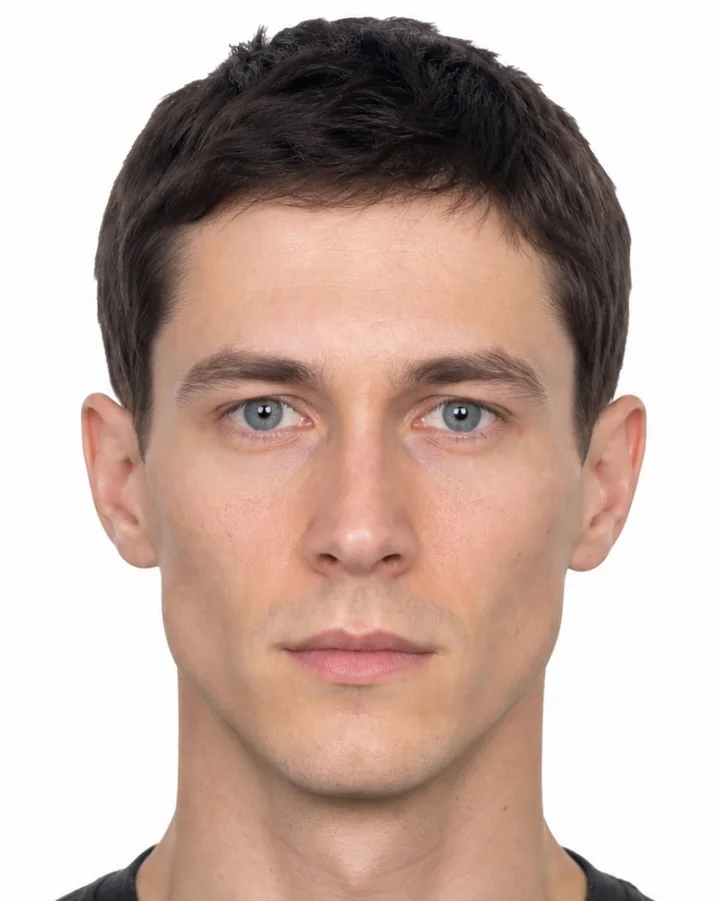 Before
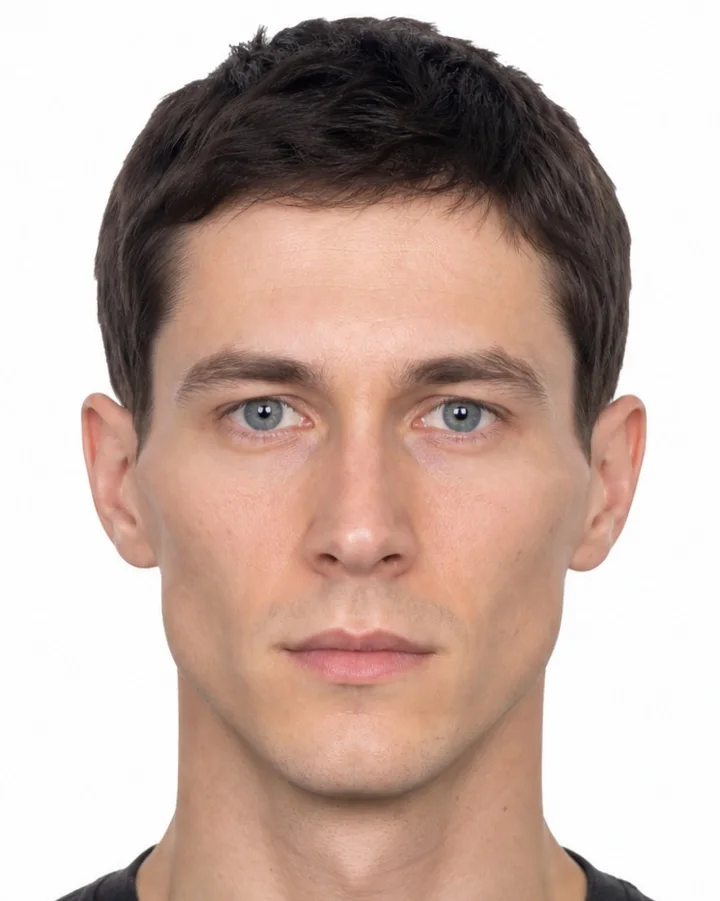 After
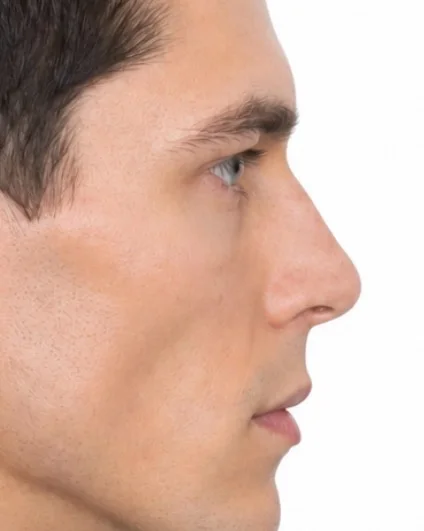 Before
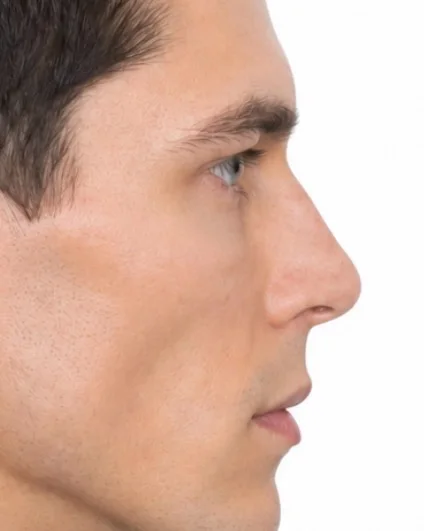 After
Made with Cephra’s own simulation on the reference face from the measurement guides, at the example strength the app starts this procedure with. Widens and lifts the cheekbones. It is an illustration of the shape change, not a prediction of anyone’s result. Movements without a measured treatment effect only illustrate the shape.
Measurements it changes
Measured by the app on the same reference face, before and after the example above.
| Measurement | Before | After | Change |
|---|---|---|---|
| Facial Width-to-Midface Height RatioFront view | 1.725 | 1.806 | +0.081 |
| Total Facial Height-to-Width RatioFront view | 1.359 | 1.298 | -0.061 |
| Bitemporal-to-Bizygomatic WidthFront view | 86.2 % | 82.3 % | -3.9 % |
| Measurement | Before | After | Change |
|---|---|---|---|
| Bigonial-to-Bizygomatic WidthFront view | 90.7 % | 86.6 % | -4.1 % |
| Frontal Jaw SlopeFront view | 143.3° | 146.9° | +3.6° |
| Combined Brow Length-to-Face Width RatioFront view | 0.650 | 0.621 | -0.029 |
| Ear Protrusion RatioFront view | 14.9 % | 12.0 % | -2.9 % |
| Ear Protrusion AngleFront view | 15.8° | 13.4° | -2.4° |
| Eye Separation RatioFront view | 45.1 % | 43.1 % | -2.0 % |
4 smaller changes are not listed. “Move along” means the value changes because a neighbouring point or the line it is measured against moves, not because the feature itself is treated. Values belong to the reference face and the example strength; on another face, or at another strength, the same procedure moves them by other amounts. A measurement describes a photo and is neither good nor bad on its own.
What it is
Solid implants, usually medical-grade silicone or porous polyethylene, are placed over the cheekbone (malar) or just below it (submalar) through an incision inside the mouth or, less often, under the lower eyelid. It is usually done as a day procedure, typically under general anaesthesia.
Recovery and how long it lasts
Bruising mostly fades within about 1 week and swelling within several weeks to a month; most people return to work within a week and avoid strenuous activity for several weeks.
How long it lasts: Permanent but removable; the soft tissue over the implant continues to age.
Main risks
- Implant shift causing asymmetry or lumpiness
- Infection, sometimes requiring implant removal
- Numbness or altered sensation of the cheek, upper lip or teeth (usually temporary)
- Thick scar tissue around the implant (capsular contracture) or persistent pain
- Result not as intended, with possible revision surgery
The main risks named in the sources below, not a complete list. A surgeon or doctor explains the risks that apply to you.
Limits of the preview
- Cheek implants sit on the cheekbone, not beside the nose: the side view shows the cheekbone coming forward, with no lip or nasal-base change.
- The example is shown in the front view and the side view. It moves the photo’s shape only: swelling, scars, skin quality and how tissue settles over months are not part of the picture.
Published prices
Published examples range from €5,528 to €5,528 (one provider). These are prices that providers publish themselves, not a market average and not a quote.
- TPS Clinic, Istanbul · published pricesTurkey · €5,528 · checked 22 September 2026
Bilateral cheek implants. Published surgery price; extra hospital nights, specialist consultations and other listed extras may cost more. Travel costs are not assumed included.
Research
- Custom PEEK implants for a flat midfaceFront Surg · 2026 · case series · Limited evidence
90.3% were satisfied or very satisfied at late follow-up; all had temporary swelling and 38.7% temporary lip or under-eye numbness; no infection, exposure or implant movement occurred.
- Facial implants: uses, materials and complications2025 · narrative review · Limited evidence
Cheekbone implants were the most common facial implant operation in a 2020 US survey and rose 938% since 2000; recent reviews report pooled complication rates of about 4–11%, lower for cheek and chin implants. Asymmetry is a common cause of poor results, while infection and bone erosion are rarer.
- Should silicone face implants be fixed with screws or sutures?Cureus · 2023 · narrative review · Limited evidence
Reported complications included asymmetry, bone erosion, shifting, dissatisfaction, swelling, bleeding, infection, pain and numbness; fixed and unfixed implants did not differ clearly.
- Overview of surgical and non-surgical cheek augmentationFacial Plast Surg Clin North Am · 2019 · narrative review · Limited evidence
The article describes several strategies, both surgical and injectable, for restoring cheek volume; the abstract does not report outcome numbers.
- How the facial bones shrink with ageAesthetic Plast Surg · 2012 · narrative review · Limited evidence
Areas with a strong tendency to resorb are the midface (maxilla and the bone beside the nose), the upper-inner and lower-outer orbital rim, and the prejowl part of the lower jaw (mandible).
7 studies in the research library are linked to this procedure; the strongest are shown.
Sources
- Cleveland Clinic – Cheek Implants
- American Society of Plastic Surgeons – Cheek augmentation risks and safety
Patient information checked 1 October 2026. Figures vary between people and sources. This page is general information, not medical advice.
Measure your face – freeMeasured in your browser; your photos stay on your device. The simulation that shows a procedure on your own photo is part of the paid plans.